
Hobbies have become more expensive
Funflation was mainly associated with people returning to concerts, theatre performances and sporting events after the pandemic, and the interest in experiences increased their willingness to pay more for them. According to Bank of America (BoA) data, everyday hobbies have now also joined this category. August figures showed that its customers’ spending on hobbies rose by almost 8 % year on year, with the segments tracked including arts and crafts supplies, hobby stores and activities related to hiking and camping. The number of transactions also increased, by 3.4 %, which shows us that customers were shopping more frequently than last year while also spending more. This is why, according to analysts, we can speak of a return of funflation. BoA’s August data also show us how people across different age groups shopped. While older millennials born in the 1980s topped the ranking, the younger baby boomers followed closely behind, and Gen Z shopped the least. Analysts assume that millennials’ spending reflects their children’s interests as well as their own.
They save on entertainment in different ways
Changes in spending can also be seen, for example, among Gen Z, whose growth in the number of transactions in hobby categories approached very low levels, according to BoA, whereas a year earlier it had risen by a double-digit figure. The bank writes that fewer purchases do not automatically mean less interest in activities, as people may, for example, have purchased equipment in the past that does not need to be replaced regularly. Moreover, this generation’s spending on video games, which were tracked separately, rose by approximately 20 % year on year. Paradoxically, higher spending on hobbies may be driven by households trying to save money. Economist John Gathergood explained to CNBC that, because of rising prices, people prefer to cook for themselves instead of visiting a restaurant or stay at home instead of going on holiday. Such steps then mean that household budgets may not change very much, but spending shifts to another area. BoA did not include the travel segment in its data, stating that the significant increase in airfares could have led to money being redirected elsewhere, which supports Gathergood’s hypothesis of a shift towards a new hobby. Of course, wealthier customers have not stopped travelling.
Live Nation benefits from interest in concerts
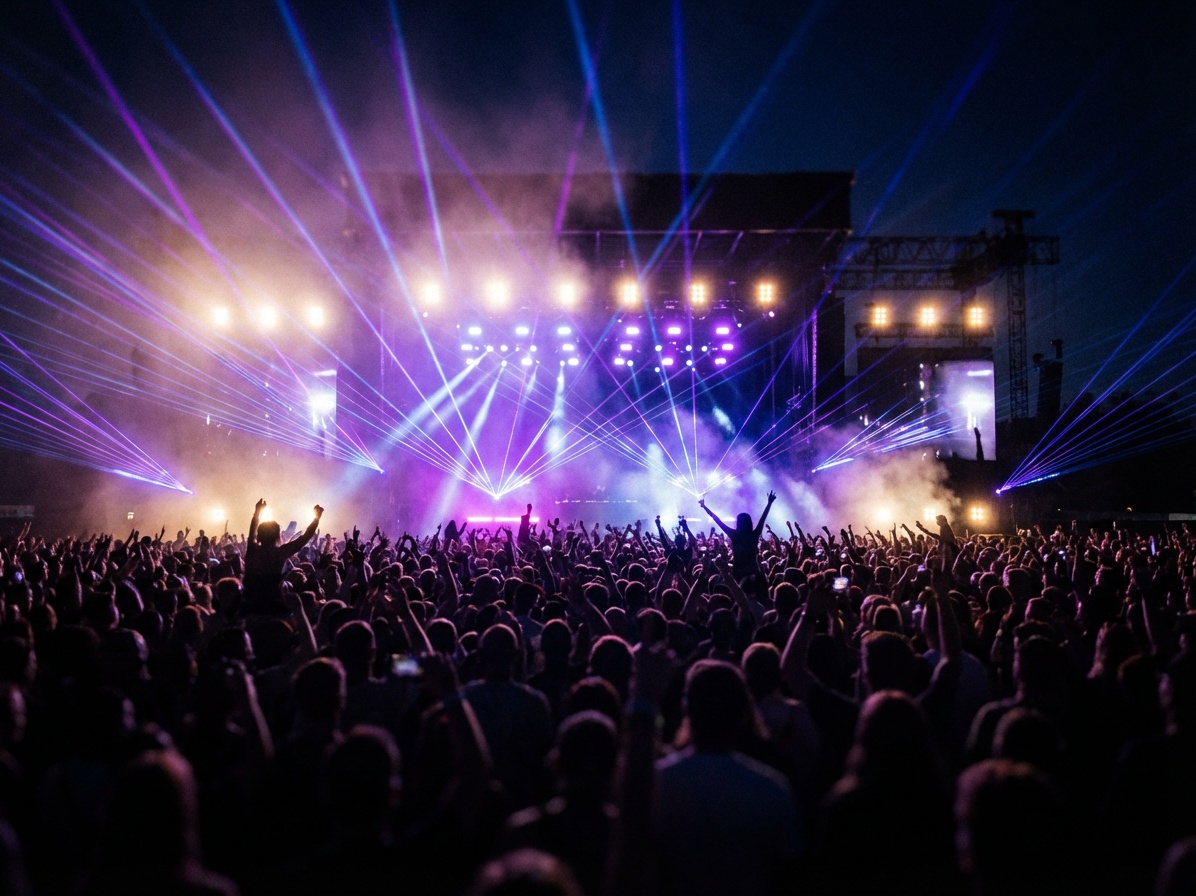
However, shifting money towards cheaper activities does not mean a widespread retreat from live experiences, for example. This is demonstrated by the results of Live Nation Entertainment, which also owns Ticketmaster. Its global revenue in the second quarter of 2026 rose by 9 % year on year to approximately USD 7.7 billion. Around 49 million fans attended concerts, which was 10 % more than a year earlier. Growth was thus supported by higher attendance as well as higher price tags. Strong interest was not limited to the USA, as attendance outside this market increased by more than 20 % in every category tracked. Payments for events that had not yet taken place also provided support for the coming period, and deferred revenue reached USD 6.4 billion at the end of June, a quarter more year on year. Spending does not end with the ticket, but continues at the venue itself. According to Live Nation, visitors spent 10 % more on food and drinks than in 2025. Saving money may therefore not mean that people give up concerts, but rather that they prioritise them over other expenses, although it is not possible to determine whether visitors saved money or what they saved on.
An experience instead of a home of their own
The willingness to pay for better-spent leisure time can be attributed to the pandemic, which kept us at home for a long period, and so, after restrictions were eased, people began to enjoy experiences such as travel, music and sporting events more, which naturally affected price tags and household spending. Economist Alan Gin from the University of San Diego describes another reason why experiences and activities have become so important in an article for Yahoo Finance. In the current economic situation, owning a home, for example, seems like an unattainable goal to some, and they therefore prefer to invest in the present moment. This suggests that as long as demand remains high, prices for these activities may continue to rise, along with funflation.
Customers are becoming more selective
However, this does not mean that consumers will accept every price increase. Back in 2024, Deloitte conducted a survey among 3 554 Americans, almost 60 % of whom chose to skip their favourite event because of the high ticket price. According to the survey, the annually rising subscription prices of streaming platforms are also a concern. For example, since 2024, Netflix has increased the price of its standard subscription in the US market by USD 1 to 2 to reach current prices, while premium monthly services have risen by as much as USD 4.50. A more recent Deloitte survey from March of this year shows why loyal fans are important to the entertainment industry. 80 % of respondents described themselves as fans of at least one area, such as music, sports, video games or films, and this group devoted 51 minutes more per day to entertainment than the remaining respondents. Of course, watching favourite content was not limited to a single platform or service, with social media playing a significant role. However, more time devoted to entertainment does not automatically mean that they will be willing to keep paying more for it. Even a loyal fan may treat themselves to a concert and prioritise it over another event or subscription.


.svg)
.svg)