What can we expect in the financial markets in 2026!
Candlestick Charts: What Does a Single Candlestick Reveal?
Japanese candlestick charts, which originated with rice traders in the 18th century, are the cornerstone of modern technical analysis.
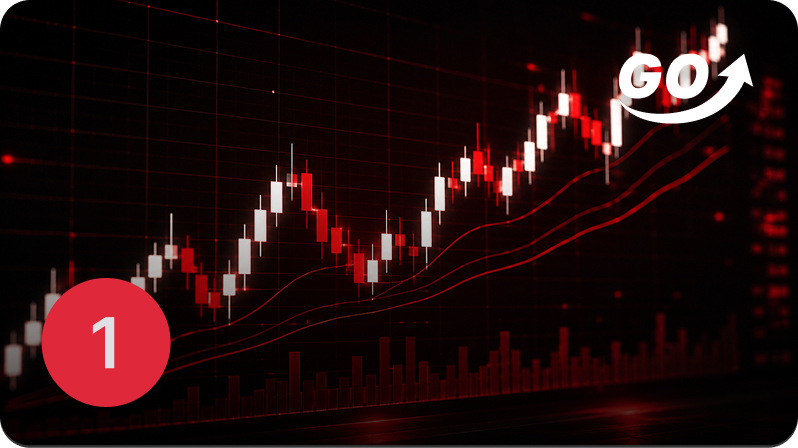
Unlike traditional line charts, which show only the closing price, candlesticks provide a comprehensive view of market activity over a specific time period. Each candlestick consists of a body and shadows, sometimes referred to as wicks. The body of the candlestick represents the range between the opening and closing prices, while the shadows show us the highest and lowest prices reached during that period. If the closing price is higher than the opening price, the candlestick is usually colored green or white, signaling buyer dominance. Otherwise, the candle is red or black, indicating the dominance of sellers.
Understanding the anatomy of a candle is, in fact, understanding the psychology of the battle between bulls and bears. Long upper shadows suggest that although buyers tried to push the price higher, sellers eventually took control and pushed it back down. Conversely, small candle bodies with long wicks on both sides signal market indecision and a possible impending trend reversal.
For a trader, a candlestick chart represents not just historical data, but a living story of who currently holds the reins. Learning to read individual candlestick patterns and their combinations is the first step toward being able to predict likely future developments without having to guess. Candlesticks are the most accurate reflection of market sentiment, and interpreting them correctly will allow you to see the market in its full depth.
Navigation in the guide
Feel free to contact us
Feel free to send us any request. Our support team is available 5 days a week.
.svg)
+357 25 010426 (Mon–Fri 8:30–17:00)
.svg)
We will contact you shortly.
Risk warning: CFDs are complex instruments and come with a high risk of losing money rapidly due to leverage. 74.25% of retail investor accounts lose money when trading CFDs with this provider. You should consider whether you understand how CFDs work and whether you can afford to take the high risk of losing your money.